Top Design Trends Transforming Modern Interiors
In the ever-evolving world of interior design, staying updated with the latest trends is essential for creating spaces that are not only functional but also aesthetically pleasing. As we move further into the 21st century, several design trends are emerging that are reshaping how we think about our living spaces. From sustainable materials to bold color palettes, these trends are not just fleeting fads; they represent a shift in how we approach interior design.
Embracing Sustainability
One of the most significant trends in modern interior design is the emphasis on sustainability. As awareness of environmental issues grows, homeowners and designers alike are seeking ways to reduce their carbon footprint. This trend manifests in various ways:
Eco-friendly Materials: Designers are increasingly using materials that are sustainable and ethically sourced. Bamboo, reclaimed wood, and recycled metals are becoming popular choices for furniture and decor.
Energy Efficiency: Incorporating energy-efficient appliances and fixtures not only helps the environment but also reduces utility bills. Look for Energy Star-rated products and LED lighting options.
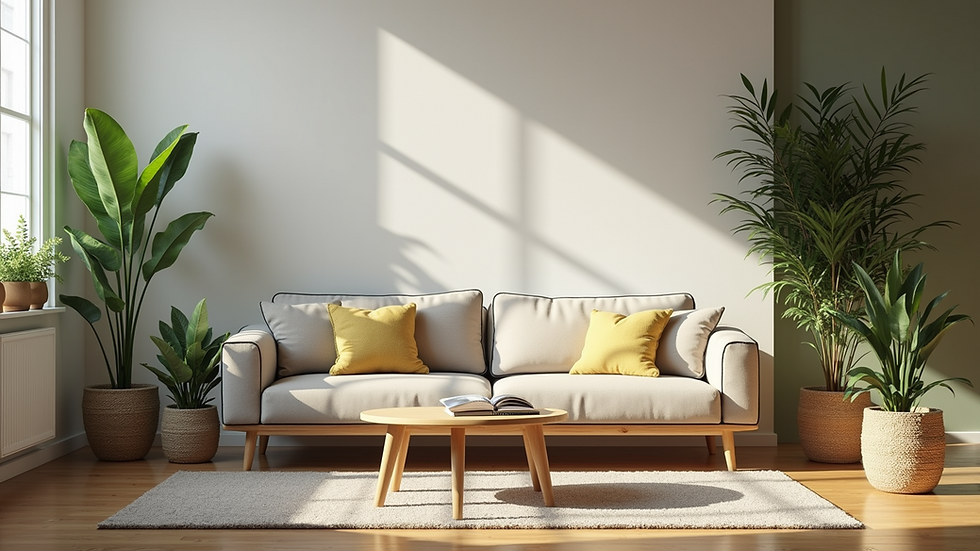
Indoor Plants: Biophilic design, which incorporates natural elements into interiors, is gaining traction. Indoor plants not only improve air quality but also add a touch of nature to any space.
Minimalism with a Twist
Minimalism has been a dominant trend for years, but it is evolving into a more personalized approach. While the clean lines and uncluttered spaces remain, there is a growing desire to add character and warmth to minimalist designs. Here are some ways to achieve this:
Layering Textures: Instead of relying solely on color, designers are using various textures to create depth. Think of combining soft textiles with sleek metals or rough woods.
Statement Pieces: Incorporating a few bold statement pieces can add personality to a minimalist space. This could be an oversized piece of art, a unique sculpture, or a vibrant rug.
Personal Touches: Minimalism does not mean devoid of personality. Incorporating personal items, such as family photos or travel souvenirs, can make a minimalist space feel more inviting.
Bold Color Palettes
Gone are the days of neutral color schemes dominating interior spaces. Today, bold and vibrant colors are making a comeback, allowing homeowners to express their individuality. Here’s how to incorporate bold colors effectively:
Accent Walls: Painting one wall in a bold color can create a focal point without overwhelming the entire room. Consider deep blues, rich greens, or even bright yellows.
Color Blocking: This technique involves using contrasting colors in different sections of a room. For example, pairing a bright orange sofa with a teal wall can create a striking visual effect.
Accessories and Decor: If you’re hesitant to commit to bold colors on walls or furniture, start small with accessories. Bright cushions, artwork, or decorative items can add pops of color to a neutral space.
Multifunctional Spaces
As living spaces become smaller, the need for multifunctional areas is more critical than ever. Designers are finding innovative ways to maximize space without sacrificing style. Here are some ideas:
Convertible Furniture: Look for furniture that serves multiple purposes, such as a sofa bed or a coffee table that doubles as storage. This allows for flexibility in how you use your space.
Open Floor Plans: Open layouts are becoming increasingly popular, allowing for a seamless flow between different areas of a home. This design encourages interaction and makes spaces feel larger.
Zoning: Use rugs, furniture placement, and lighting to create distinct zones within an open space. This helps define areas for different activities, such as work, relaxation, and dining.
Technology Integration
Smart home technology is no longer a luxury; it’s becoming a standard feature in modern interiors. Integrating technology into design can enhance convenience and efficiency. Here are some ways to do this:
Smart Lighting: Install smart bulbs that can be controlled via smartphone apps or voice commands. This allows you to adjust lighting based on your mood or activity.
Home Automation Systems: Consider a centralized system that controls heating, cooling, and security. This not only improves comfort but also enhances energy efficiency.
Integrated Sound Systems: Built-in speakers can provide high-quality sound without the clutter of visible wires and devices. This creates a clean and modern aesthetic.
Textured Surfaces
Texture is becoming increasingly important in interior design, adding depth and interest to spaces. Here are some ways to incorporate texture into your home:
Wall Treatments: Consider textured wallpaper, wood paneling, or even exposed brick to create visual interest on walls.
Layered Fabrics: Use a mix of fabrics in your decor, such as velvet cushions, linen curtains, and wool throws. This adds warmth and comfort to a space.
Unique Flooring: Textured flooring options, such as patterned tiles or distressed wood, can make a significant impact on the overall design of a room.
Vintage and Retro Influences
Nostalgia is a powerful design tool, and many homeowners are embracing vintage and retro styles in their interiors. This trend allows for creativity and personalization. Here’s how to incorporate vintage elements:
Thrifted Finds: Scour thrift stores and flea markets for unique pieces that tell a story. Vintage furniture or decor can add character to modern spaces.
Retro Color Schemes: Consider using color palettes inspired by past decades, such as muted pastels or bold primary colors.
Mixing Eras: Don’t be afraid to mix vintage pieces with contemporary furniture. This creates a dynamic and eclectic look that feels curated.
Conclusion
The world of interior design is constantly evolving, and these trends are shaping the way we think about our living spaces. By embracing sustainability, incorporating bold colors, and integrating technology, you can create a home that reflects your personality and meets your needs. Remember, the key to successful interior design is finding a balance between style and functionality. As you explore these trends, consider how they can enhance your space and make it truly your own.
Whether you’re redecorating a single room or planning a complete overhaul, these design trends offer inspiration and practical ideas to transform your interiors into beautiful, modern spaces.


Comments